What is Cellufine MLP™?
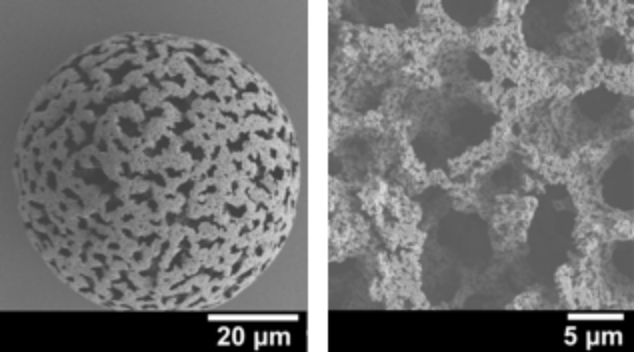
Cellufine MLP™ is a highly crosslinked cellulose particle that has a monolith-like continuous pore structure > 1 μm. The large through pore enables convective flow inside the particles. Therefore, the intraparticle surface of the resin can be used as an adsorption site for biomacromolecules such as large viruses and virus-like particles.
Surface and pore structures of MLP™?
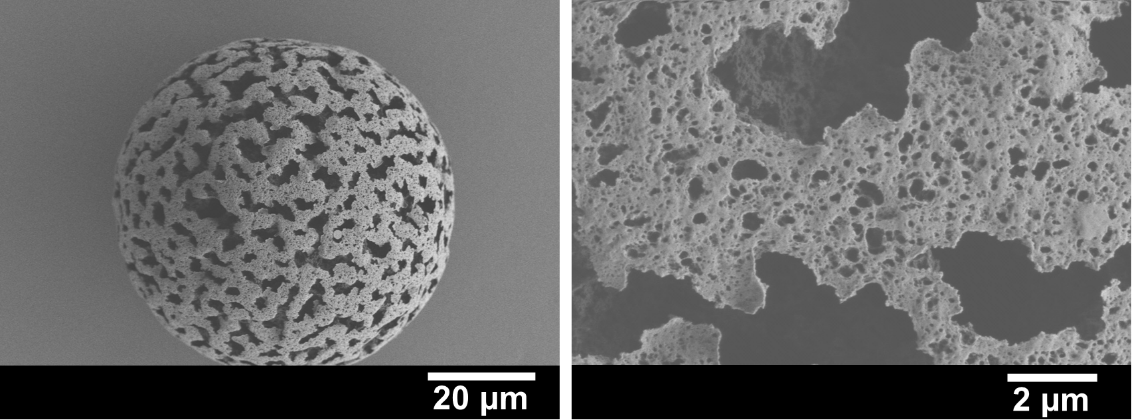
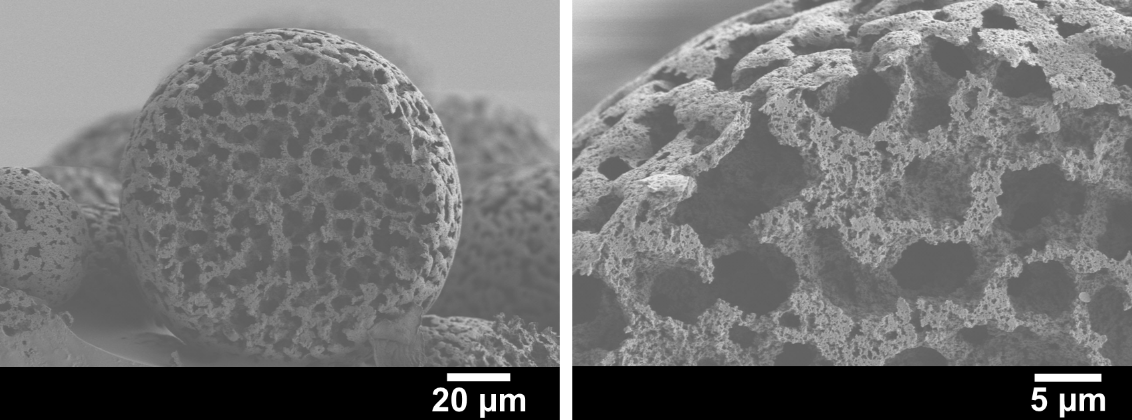
- Continuous open porous channels and small micro pores within the backbone bead structure.
- The large through-pores in the MLP™ bead architecture are estimated to be 1.5 µm diameter as measured by mercury porosimetry.
Advantages over monolith columns
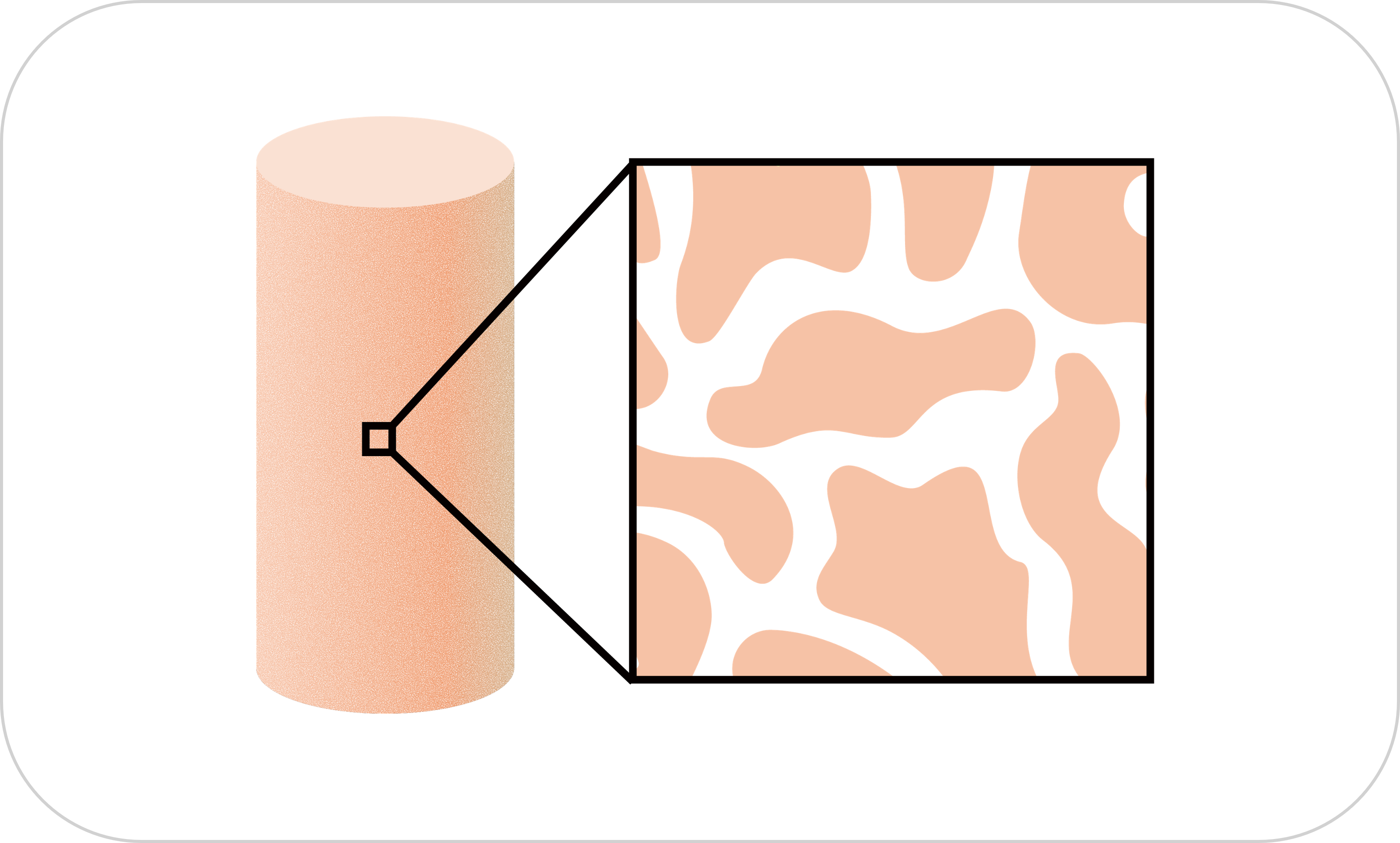
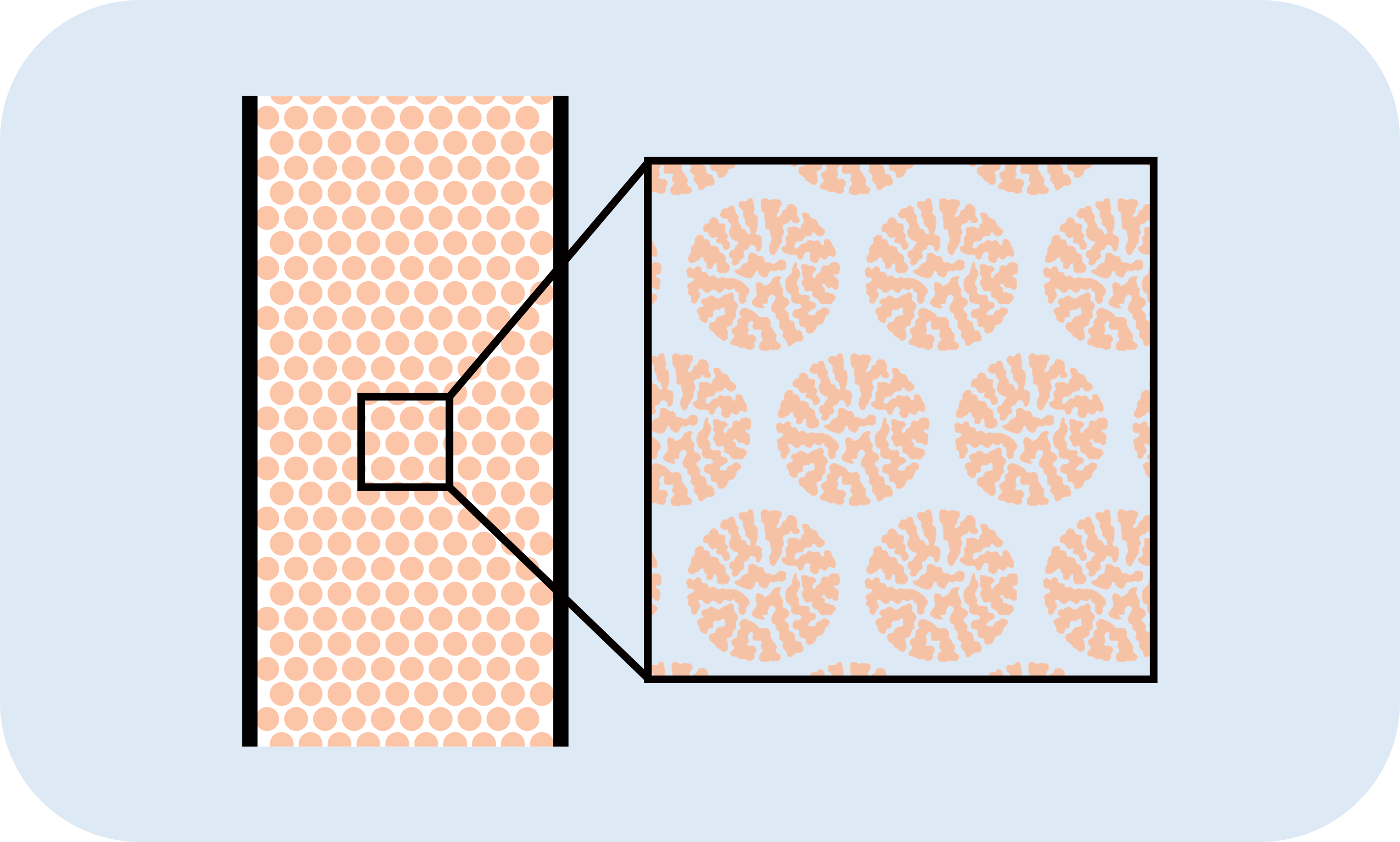
Cellufine MLP™ combines monolith-like large, interconnected pores with the scalability of packed-bed chromatography.
- Compatible with conventional packed bed column hardware
- Easy scale-up from lab through pilot to production phases of purification
- Optimized for large-scale bioparticle purification
| Monolith columns | Cellufine MLPTM | |
|---|---|---|
| Pore structure | Large, interconnected pores | Large interconnected pores |
| Format | Pre-assembled | Packed resin or bulk resin |
| Scalability | Limited by available column sizes | Scalable with conventional columns |
| Large-scale operation | More difficult | Easier to adapt |
| Flexibility | Lower | Highly flexible |
Monolith column
Cellufine™ MLP
Excellent adsorption performance
Cellufine MLP™ is a chromatography resin featuring large, interconnected pores. Because target molecules can readily diffuse into the interior of these pores, Cellufine MLP™ delivers high dynamic binding capacity even under high linear velocity flow conditions.
In this study, the dynamic binding capacity of an inactivated influenza vaccine was evaluated using Cellufine MLP™ DexS, an affinity chromatography resin designed for vaccine purification. As a result, Cellufine MLP™ DexS exhibited approximately 5 x higher dynamic binding capacity than a conventional resin.
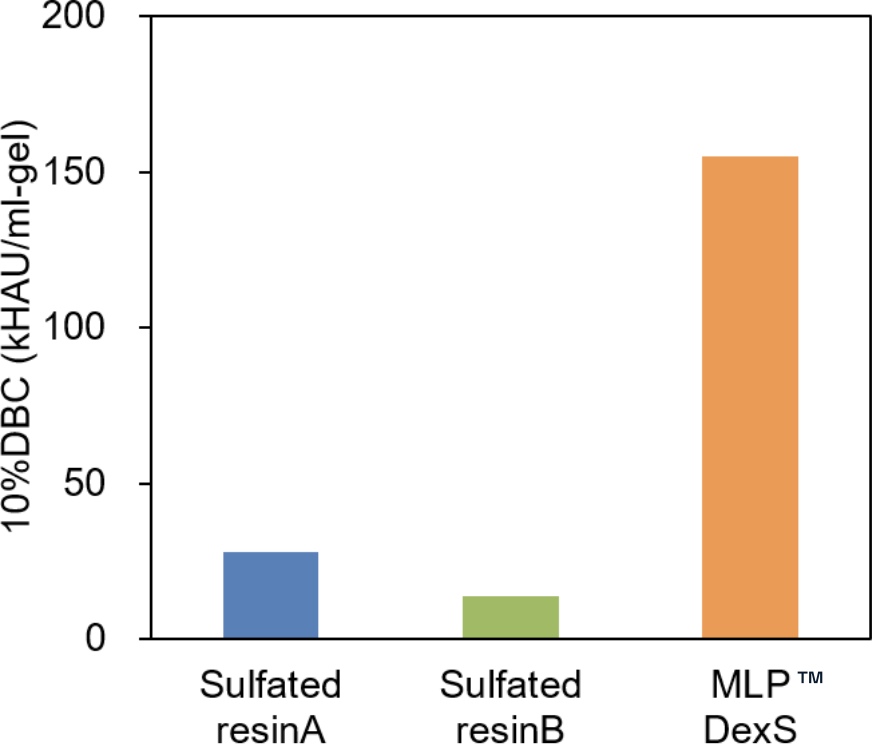
Flow rate: 0.5 mL/min
Load sample (24 mL): Influenza A virus (H1N1) from MDCK cells
Wash (6 mL):10 mM Phosphate Buffer + 0.12 M NaCl
Elution (2.4 mL):10 mM Phosphate Buffer + 2.0 M NaCl
Excellent flow property of Cellufine™ MLP
Cellufine MLP™ consists of particles with interconnected pores, allowing the mobile phase to readily diffuse throughout the internal pore structure. As a result, high flow rates can be achieved without generating significant pressure drop.
In this study, pressure drop was evaluated using a column with an inner diameter of 10 cm, where wall effects are minimized, packed with MLP™. The results demonstrated that even at a high flow rate of 600 cm/hr, the operating pressure remained as low as 0.15 MPa.
These findings indicate that MLP™ exhibits exceptional flow properties that distinguish it from conventional chromatography resins.
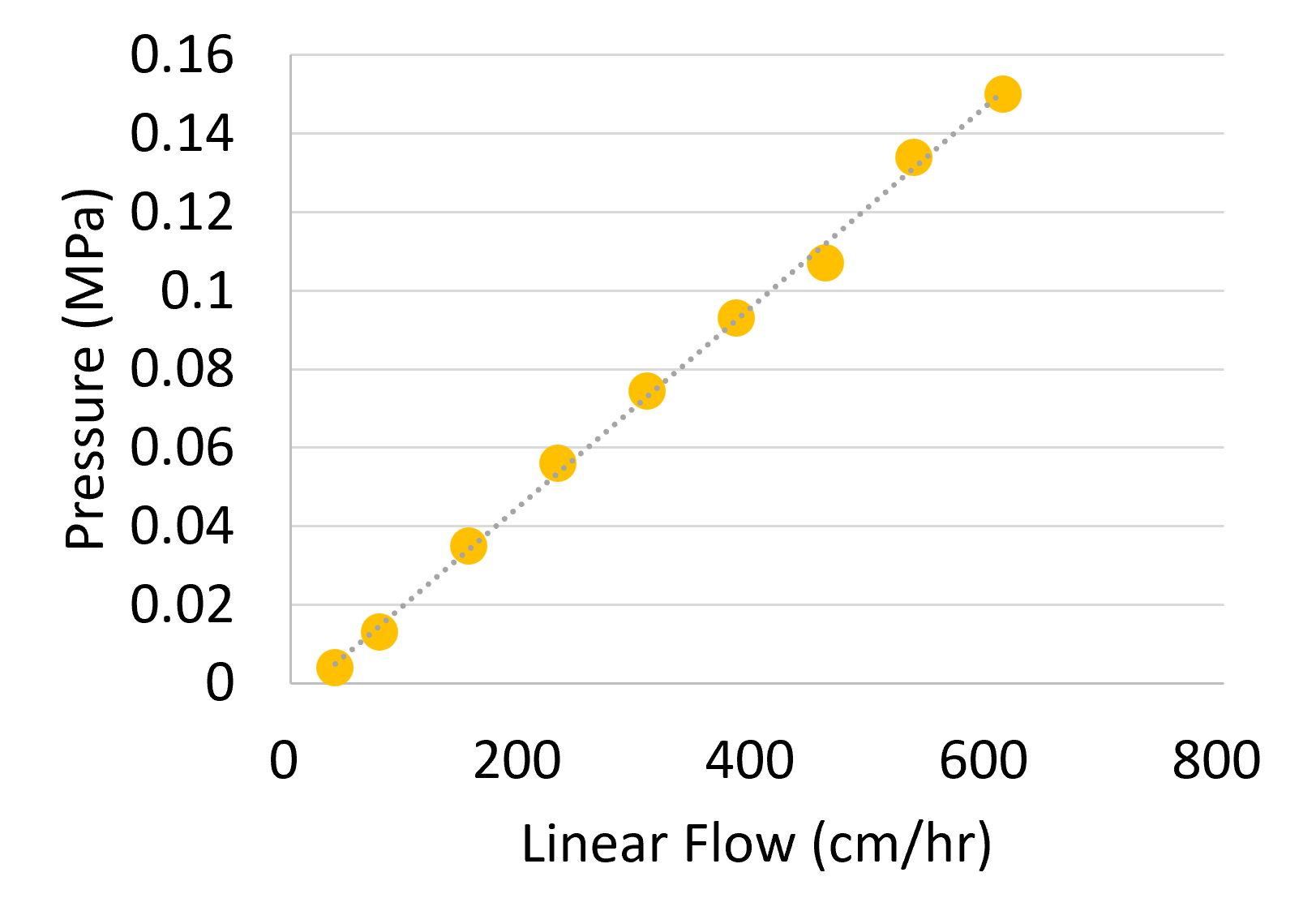
Bed Height: 19.5 cm
Packing Factor: 1.20
Mobile Phase: Water
Comparison of Cellufine™ Base resin
We compared SEM images of Cellufine™ base resins. Cellufine™ Sulfate features a dense pore structure and performs separation and purification through adsorption on the particle surface. Cellufine™ MAX is characterized by a fibrous matrix architecture that provides a large surface area, delivering excellent performance for protein purification. In contrast, Cellufine MLP™ possesses large pores of approximately 1,500 nm and is optimized for the purification of large biopharmaceutical modalities, including vaccines, plasmid DNA, mRNA, and exosomes.
Cellufine™ Sulfate
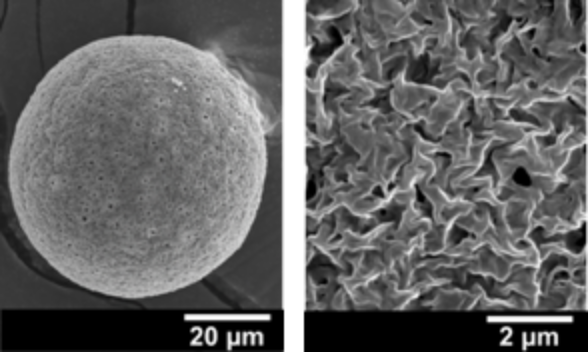
Cellufine™ MAX
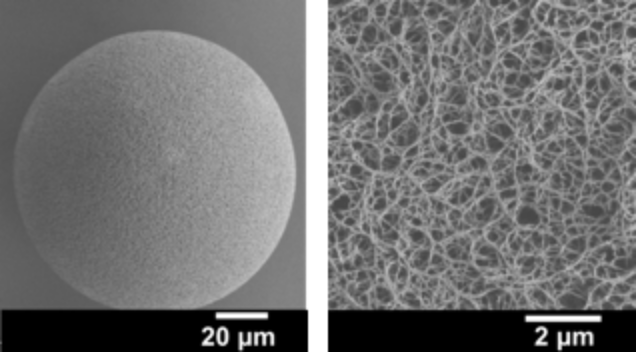
Cellufine MLP™
| Cellufine™ Sulfate | Cellufine™ MAX | Cellufine MLP™ | |
|---|---|---|---|
| Pore size (nm) | < 5 | 100 | 1500 |
| BET surface area (m²/g-dry) | 0.1 ~ 0.2 | 100 ~ 150 | 10 ~ 30 |
| Characteristic | External Surface adsorption | Large internal surface area | Large continuous pore volume |
| Main application | Viruses | Proteins | Viral vectors, exosome, pDNA, mRNA |
Compared with conventional Cellufine™ base resins, Cellufine MLP™ has significantly larger pores, making it suitable for large bioparticles rather than proteins.
Accessibility of internal pore structures
Batch uptake of 100 nm fluorescent particles
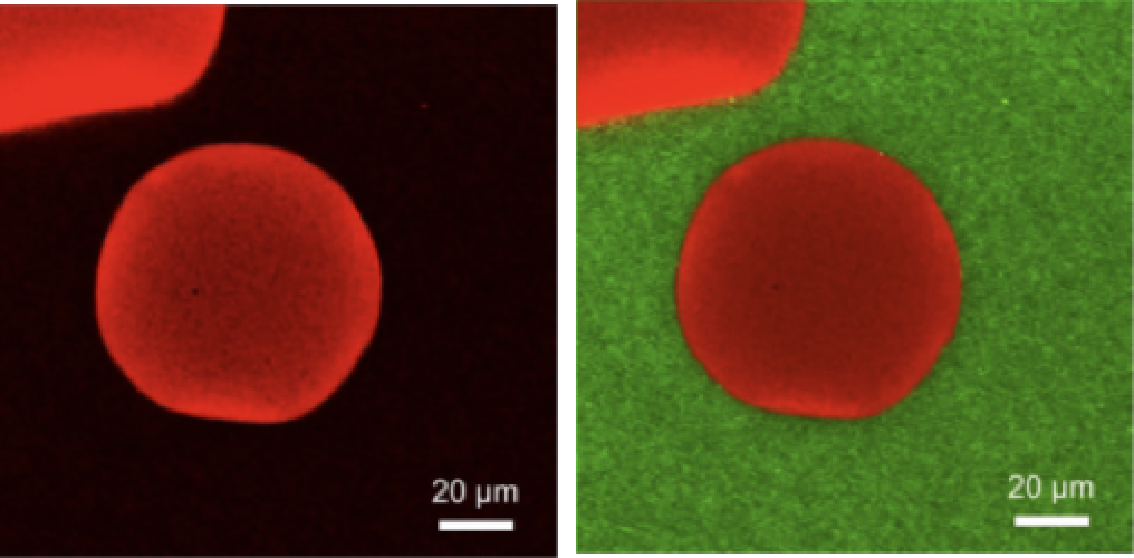
Resins stained with a dye (red) are immersed in a solution containing 100 nm fluorescent particles (green) and their diffusion into the bead porous structure observed by using confocal laser scanning microscopy (CLSM).
Conventional cellulose resin
Cellufine MLP™
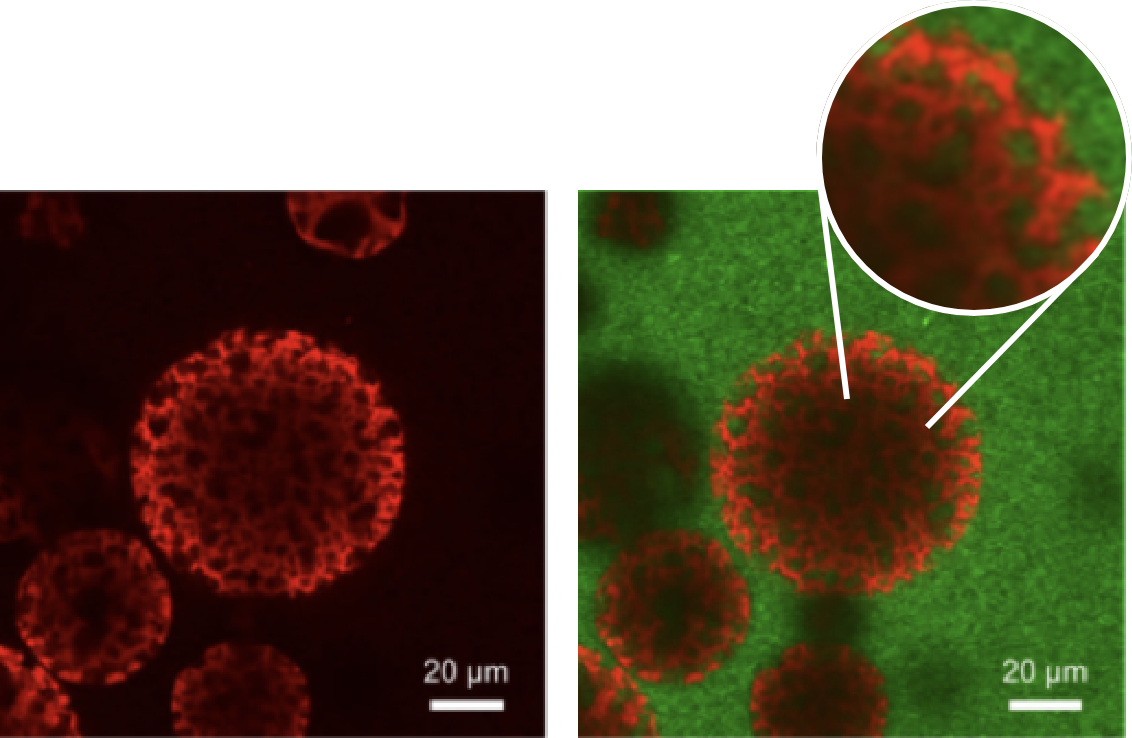
- 100 nm nanoparticles diffuse into the intraparticle area of MLP
Applications
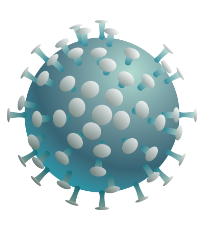
Cellufine MLP™ is ideally suited for the purification of large biomolecules. It dramatically improves purification efficiency for vaccines, virus-like particles (VLPs), and emerging modalities such as adeno-associated viruses (AAVs), plasmid DNA, mRNA, and exosomes.
-
Influenza virus -

AAV -

Antibody -

Lentivirus